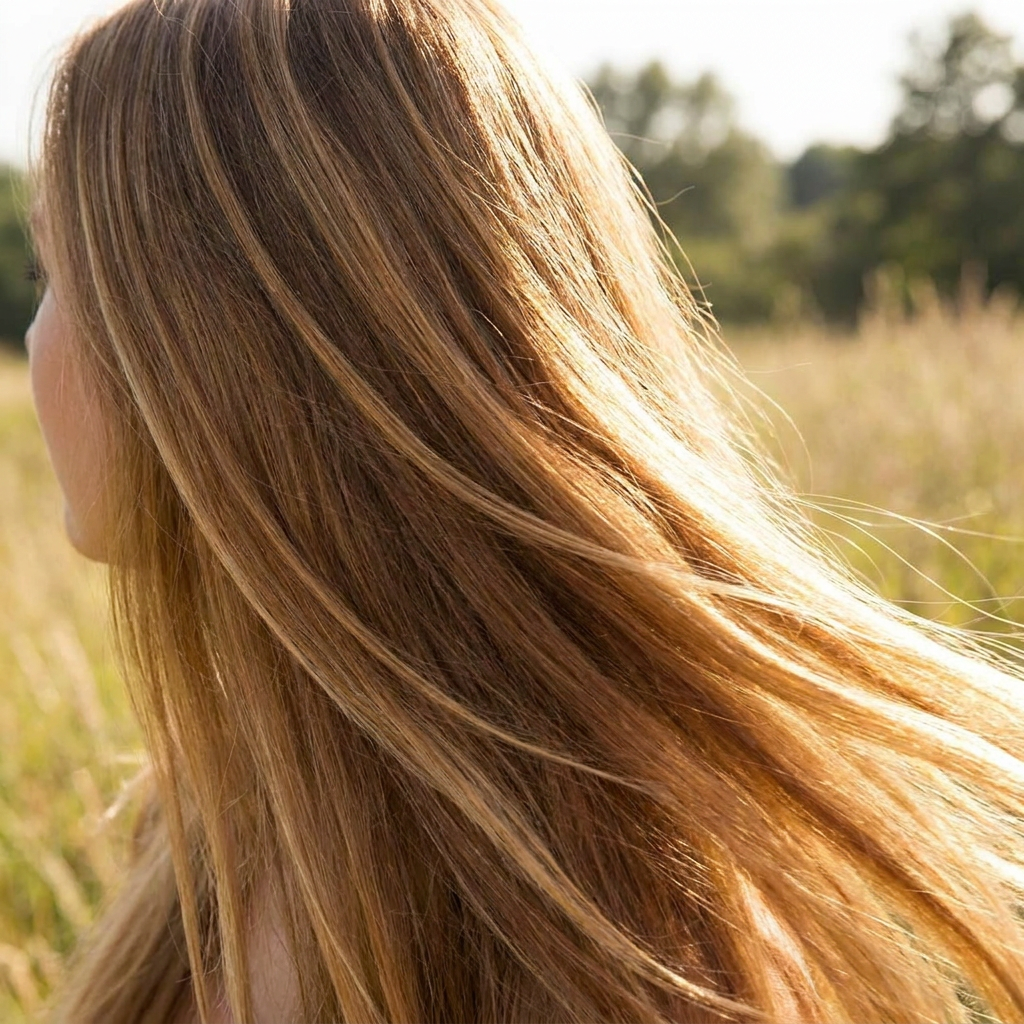
Okay, real talk — if you live anywhere in Oakland or Macomb counties, summer hair styling probably feels like a losing battle right about now. Michigan summers don’t do “dry heat.” It’s thick, it’s sticky, and by the time you’re walking from your car into work, your morning blowout is already thinking about giving up. I see it every week in the chair: someone comes in with a style that looked perfect at 7am and is a completely different situation by 10.
Here’s the thing — humidity doesn’t just mess with your hair for fun. It’s chemistry. Hair is naturally drawn to moisture in the air, and when there’s more humidity outside than inside your hair shaft, your strands pull that moisture in. That’s what causes frizz, lost curl, and flat styles that fall by noon. Once you understand that, the fix stops feeling like a mystery and starts feeling like a system.
So let’s talk about the system I actually use and recommend, tool by tool.
Step one: don’t skip the pre-styling layer
This is the step most people rush past, and it’s the one that makes the biggest difference. Before any heat touches your hair, it needs a barrier — both to protect from the heat itself and to help seal the cuticle against humidity. I’m a big fan of Matrix Biolage and Redken for this. A good leave-in or heat protectant isn’t optional in July the way it might feel optional in February. Think of it as your hair’s version of sunscreen — it’s doing quiet work you won’t notice until you skip it.
Step two: summer hair styling starts with the blow-dry
A lot of frizz battles are actually won or lost at the blow-dry stage, before a curling iron or straightener ever comes into play. If your hair goes into the next step even slightly under-dried or without the cuticle smoothed down, humidity has an easy way in later.
I use the Hot Tools Pro Artist 1875W Turbo Ceramic + Ionic Hair Dryer for this exact reason — the ionic technology helps break down water molecules faster, which cuts down on the frizz-causing swelling in the hair shaft. My go-to technique: dry with the nozzle pointed down the hair shaft (never straight at it), and finish with a blast of cool air once it’s dry. That cool shot closes the cuticle back down, which is basically like locking the door before humidity even tries the handle.
Step three: curls that survive the whole day
If you’re curling, the tool matters less than the cool-down. I always tell clients — the curl isn’t “set” the moment you release it from the iron, it’s set once it cools completely. Curl the section, then let it cool in your hand or pinned up for a few seconds before you touch it. Skip that step and even a great curl will drop by lunch.
For the actual curling, I like the Paul Mitchell Pro Tools Express Ion Unclipped 3-in-1 Ceramic Interchangeable Curling Wand. The interchangeable barrels are great if you like to switch up your curl size depending on the day, and the ionic technology helps here too, same as the blow dryer — less frizz-inducing static, smoother cuticle.
Step four: sleek styles that actually stay sleek
Straight styles get a bad reputation in summer, but they don’t have to be a losing battle. The key is a straightener that seals the cuticle as it smooths, not one that just flattens the surface temporarily. That’s why I reach for the BaByliss Pro Nano Titanium Prima Ionic Hair Straightener — nano titanium plates distribute heat more evenly, so you’re not having to pass over the same section five times, which just invites more frizz and more damage.
One finishing trick I give clients: a very light anti-humidity serum or oil on the ends only, after straightening, not before. Applying it before you straighten can actually create a barrier that traps heat unevenly. After is when it does its real job — sealing in the smoothness you just created.
The busy-morning shortcut
Not every day allows for a full multi-tool routine, and that’s fine. On those mornings, I recommend clients keep something like the Shark FlexStyle Air Styling & Drying System on hand. It’s a great all-in-one option when you need to dry and style in one pass without juggling three different tools before you’re out the door.
The bottom line
Humidity isn’t something you can out-product your way through completely — Michigan summers are Michigan summers. But the difference between a style that survives the day and one that doesn’t usually comes down to these small, repeatable steps: protect first, dry with intention, cool before you move on, and seal at the very end.
If you want a style built specifically for your hair type and this summer’s humidity levels, that’s exactly what I do in the chair every day. [Book a consultation] and let’s find your summer routine — and if you’re already thinking ahead to extensions for more length or volume without the extra styling time, keep an eye out, because that’s coming soon too.