How Often to Wash Color Treated Hair
How Often Should You Really Wash Color Treated Hair?
Disclosure: This post contains affiliate links. As an Amazon Associate I earn from qualifying purchases at no extra cost to you.
You just left the salon with fresh, beautiful color. It’s vibrant, shiny and exactly what you wanted. And then a few days later you’re standing in the shower wondering — is it okay to wash it yet? Will shampooing ruin everything? How often should I wash color treated hair?
It’s one of the most common questions color treated clients ask. And the answer might surprise you.
🚿 The Short Answer
Wash your hair less than you think you need to. Most people overwash their hair — and when your hair is color treated, overwashing is one of the fastest ways to fade your color and dry out your strands.
For most color treated hair, washing 2 to 3 times per week is the sweet spot.
But let’s break it down a little more because everyone’s hair is different.
💧 Why Washing Too Often Fades Your Color
Every time you shampoo your hair, you’re opening the hair cuticle. For color treated hair this is a big deal because an open cuticle means color molecules can escape. The more you wash, the more color you lose — and the faster your vibrant salon color turns dull and brassy.
Hot water makes this even worse. Hot water opens the cuticle even further, accelerating color fade significantly.
The fix?
- Wash less frequently
- Use lukewarm or cool water when you do wash
- Finish with a cool water rinse to seal the cuticle and lock in color
📅 How Often Should YOU Wash Based on Your Hair Type?
Fine or oily hair: Your scalp produces more oil so you may feel like you need to wash more often. Try stretching to every other day first and use a dry shampoo on in-between days to absorb oil and add volume without stripping your color.
Medium or normal hair: 2 to 3 times per week is perfect. Your hair can handle a little more time between washes without looking or feeling dirty.
Thick or dry hair: You can comfortably go 3 to 4 days between washes — maybe even longer! Thick and dry hair holds onto oils longer and actually benefits from the natural moisture that builds up between washes.
Curly or coily hair: Once a week or even less is perfectly fine for curly hair. Curly hair tends to be naturally drier and needs those natural oils to stay moisturized and defined.
🧴 The Products You Use Matter Just as Much
Washing less is only half the equation. WHAT you wash with makes a huge difference in how long your color lasts.
Always use:
- ✅ Color-safe shampoo — regular shampoos can be too harsh for color treated hair and strip color fast
- ✅ Sulfate-free formula — sulfates are the main culprit for color fade
- ✅ Color-safe conditioner — helps seal the cuticle and lock in moisture after every wash
- ✅ Weekly deep conditioning treatment — color treated hair needs extra moisture to stay healthy and vibrant
Avoid:
- ❌ Clarifying shampoos on color treated hair — save these for occasional use only
- ❌ Hot water — always finish with cool water
- ❌ Rough towel drying — pat gently instead of rubbing
- ❌ Heat styling without a heat protectant — color treated hair needs protection from heat damage
🌟 The Dry Shampoo Game Changer
If you’re used to washing your hair every day the transition to washing less can feel weird at first. Your scalp may actually overproduce oil initially — but give it 2 to 3 weeks and it will regulate itself.
In the meantime dry shampoo is your best friend. A good dry shampoo:
- Absorbs excess oil at the roots
- Adds volume and texture
- Extends your blowout
- Keeps your color looking fresh between washes
Spray it at the roots, let it sit for a minute, then work it through with your fingers or a brush. Game changer. 🙌
⏰ What About Right After Getting Your Color Done?
This one is important. After a fresh color service wait at least 48 to 72 hours before washing your hair. This gives the color molecules time to fully settle into the hair shaft and oxidize properly.
Washing too soon after coloring is one of the biggest mistakes people make — and it can significantly shorten how long your color lasts.
Pro tip: If you absolutely must wash sooner use only cool water and skip the shampoo — just rinse and condition.
💖 Final Thoughts
The golden rules for washing color treated hair:
- 🚿 Wash 2-3 times per week — less is more
- 💧 Use cool or lukewarm water — hot water fades color fast
- 🧴 Always use color-safe, sulfate-free products
- ⏰ Wait 48-72 hours after coloring before your first wash
- 🌟 Dry shampoo is your best friend between washes
- 💆 Deep condition weekly to keep color treated hair healthy and vibrant
Your color is an investment — treat it like one! And when in doubt, ask your stylist. They know your hair better than anyone.
Want personalized advice on caring for your color treated hair? Book an appointment with Jonathon at The WannaBee Hair Studio — where every client leaves with healthy, beautiful, vibrant hair. Book Now
Why You Actually Need Two Different Heat Protectants for Hair (Yes, Really)
Disclosure: This post contains affiliate links. If you purchase through one of my links, I may earn a small commission at no extra cost to you.
Okay, real talk. If you’ve been grabbing the same heat protectant spray for your blowout
AND your flat iron or curling iron — you’re not alone. Most people do it. But here’s the
thing your hair has been trying to tell you: those two situations are not the same, and
your protectant shouldn’t be either. You need two different heat protectants to care for your hair.
Let’s break it down.
When You’re Blow Drying
When you blow dry, you’re working with wet or damp hair. Your hair is in its most
vulnerable state — the cuticle is open, moisture is already starting to escape, and you’re
about to hit it with a continuous blast of heat for several minutes. What you need is a
product specifically designed to be applied to damp hair, one that helps lock in
moisture, smooth the cuticle, and protect against that sustained, lower-level heat.
A fan favorite for this? The Kenra Platinum Blow-Dry Mist. It’s ultra-lightweight,
detangles like a dream, and is designed specifically for the blow-dry process. Your hair
will feel noticeably softer and smoother when you’re done — and it speeds up drying
time too. Win-win.
Another great option is the Color Wow Dream Coat Supernatural Spray — a heat-
activated formula that creates a protective barrier while you blow dry, and is especially
great if humidity and frizz are your nemesis. (It really does last through multiple
shampoos.)
When You’re Curling or Flat Ironing
Now here’s where it changes. Flat irons and curling irons hit much higher temperatures — we’re talking 350°F to 450°F — and they’re applied directly to dry hair
in short, intense bursts. Using a product meant for wet hair at this stage? It can actually
cause damage instead of preventing it.
For irons and wands, you need something with a higher heat tolerance that’s formulated
for dry hair application.
Enter the CHI 44 Iron Guard Thermal Protection Spray. It’s a salon staple for good
reason — ceramic minerals and proteins create a solid barrier between your hair and that
intense direct heat, while keeping frizz in check and adding shine. Spray it on dry hair
right before you style.
If you want something a little more luxurious, Olaplex No. 9 Bond Protector
Nourishing Hair Serum is worth every penny. It protects up to 450°F, works on both
damp and dry hair, and actually nourishes your hair while protecting it. Your stylist will
notice the difference — in a good way.
The Bottom Line
Think of it like this: you wouldn’t wear a raincoat to go snowboarding, right? Same logic
applies. Give your hair what it actually needs for each step of the styling process.
Blow drying → lightweight, damp-hair formula
Curling or flat ironing → high-heat, dry-hair formula
Your hair will thank you. And honestly? So will your stylist.
Have questions about what heat protectant is right for your hair type? Book a
consultation with Jonathon at The WannaBee Hair Studio — he’s got you covered.
How to Protect Your Hair While You Sleep (Simple Overnight Hair Care Guide)
This post contains affiliate links. As an Amazon Associate I earn from qualifying purchases at no extra cost to you.
🛏️ How to Protect Your Hair While You Sleep (Simple Overnight Hair Care Guide)
Believe it or not, a lot of hair damage happens while you sleep. Tossing and turning on a rough pillowcase, sleeping with your hair down, or going to bed with wet hair can all lead to breakage, frizz, and tangles by morning.
The good news? A few simple changes to your nighttime routine can make a huge difference in the health and appearance of your hair.
If you’ve been wondering how to protect your hair while you sleep, this guide will walk you through everything you need to know.
🌙 Why Your Nighttime Routine Matters
While you sleep your hair rubs against your pillowcase for 6-8 hours every night. Over time this friction causes:
- Breakage and split ends
- Frizz and flyaways
- Tangles and knots
- Color fading
The right nighttime habits can dramatically reduce all of these issues.
🛏️ Step 1: Switch to a Silk or Satin Pillowcase
This is the single easiest change you can make for your hair.
Why it works:
- Silk and satin create less friction than cotton
- Helps prevent breakage and split ends
- Reduces frizz and flyaways overnight
- Also great for your skin!
👉 Looking for the best silk pillowcase? Check out our recommendations in 10 Best Anti-Frizz Products That Actually Work
💆 Step 2: Sleep with Your Hair in a Loose Bun or Braid
Leaving your hair completely loose while you sleep means more tangling and friction.
What to do:
- Tie your hair in a loose bun on top of your head
- Or try a loose braid down your back
- Use a soft scrunchie — never a tight elastic!
This keeps your hair contained and reduces friction while you sleep.
🧴 Step 3: Apply an Overnight Hair Mask or Oil
Nighttime is the perfect time to deeply nourish your hair while you sleep.
Best overnight treatments:
- Argan oil — smooths and adds shine
- Coconut oil — deeply moisturizes
- Overnight hair mask — repairs damage while you sleep
How to use:
- Apply a small amount to the ends of your hair
- Avoid the roots to prevent greasiness
- Tie hair up loosely before bed
👉 For more frizz fighting products see our 10 Best Anti-Frizz Products
🚿 Step 4: Never Go to Bed with Wet Hair
Wet hair is extremely fragile and prone to breakage. Sleeping on wet hair can cause:
- Significant breakage
- Frizz and tangles
- Mildew smell on your pillow
- Scalp issues
Always make sure your hair is completely dry before bed. If you shower at night try to shower earlier to give your hair time to dry naturally.
🎀 Step 5: Use a Silk Hair Bonnet or Wrap
For extra protection especially for curly, coily or color treated hair:
- A silk hair bonnet keeps your style intact overnight
- A silk hair wrap protects your ends from friction
- Both are great for maintaining blowouts and styles longer
☀️ Step 6: Start Your Morning Right
How you handle your hair in the morning matters too:
- Use a wide tooth comb to gently detangle — never a brush on dry tangled hair
- Start detangling from the ends and work your way up
- Apply a light leave-in conditioner if needed
- For frizz tips check out How to Get Rid of Frizzy Hair Naturally
💖 Final Thoughts
Protecting your hair while you sleep doesn’t have to be complicated. Start with one or two of these steps and build from there.
Even just switching to a silk pillowcase and tying your hair up loosely can make a noticeable difference in just a few days!
Want personalized hair care advice? Book an appointment with Jonathon at The WannaBee Hair Studio — where every client leaves with healthy, beautiful hair. Book Now
10 Best Anti-Frizz Products That Actually Work (For Smooth, Sleek Hair)
This post contains affiliate links. As an Amazon Associate I earn from qualifying purchases at no extra cost to you.
✨ 10 Best Anti-Frizz Products That Actually Work
If frizz is ruining your style (especially on humid days), the right products can completely change your hair game.
Frizz happens when the hair cuticle lifts and absorbs moisture from the air, which is why hydration and sealing the cuticle are key to smooth hair .
Below are some of the best anti-frizz products—from budget-friendly finds to salon favorites—that actually help smooth, protect, and control your hair.
💧 1. Leave-In Treatments (Best Overall Frizz Control)
Amika Hydro Rush Leave-In Conditioner
$31.00•Leave-in conditioner for intense moisture and shine.
4.6
Why they work:
Leave-in treatments hydrate and coat the hair, preventing moisture from entering and causing frizz.
👉 Best for: Dry, damaged, or everyday frizz control
🧴 2. Anti-Frizz Serums (Instant Smooth + Shine)
Why they work:
Serums use silicones and oils to smooth the hair cuticle and add shine—one of the fastest ways to tame flyaways.
👉 Best for: Quick fixes and finishing touches
🌬️ 3. Anti-Humidity Sprays (Your Secret Weapon)
Why they work:
These create a barrier around your hair to block humidity—one of the biggest causes of frizz.
👉 Best for: Hot, humid weather
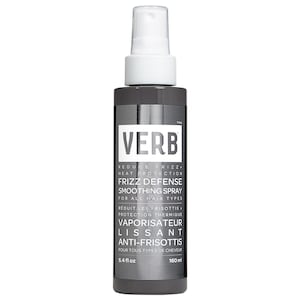
🧼 4. Frizz-Control Shampoo & Conditioner

4.6
Why they work:
Frizz control starts in the shower. Hydrating formulas help smooth hair before styling even begins.
👉 Best for: Long-term frizz prevention
🧴 5. Smoothing Creams (Soft, Natural Finish)

4.5
Why they work:
They provide control without stiffness, making hair feel soft and natural.
👉 Best for: Thick, curly, or textured hair
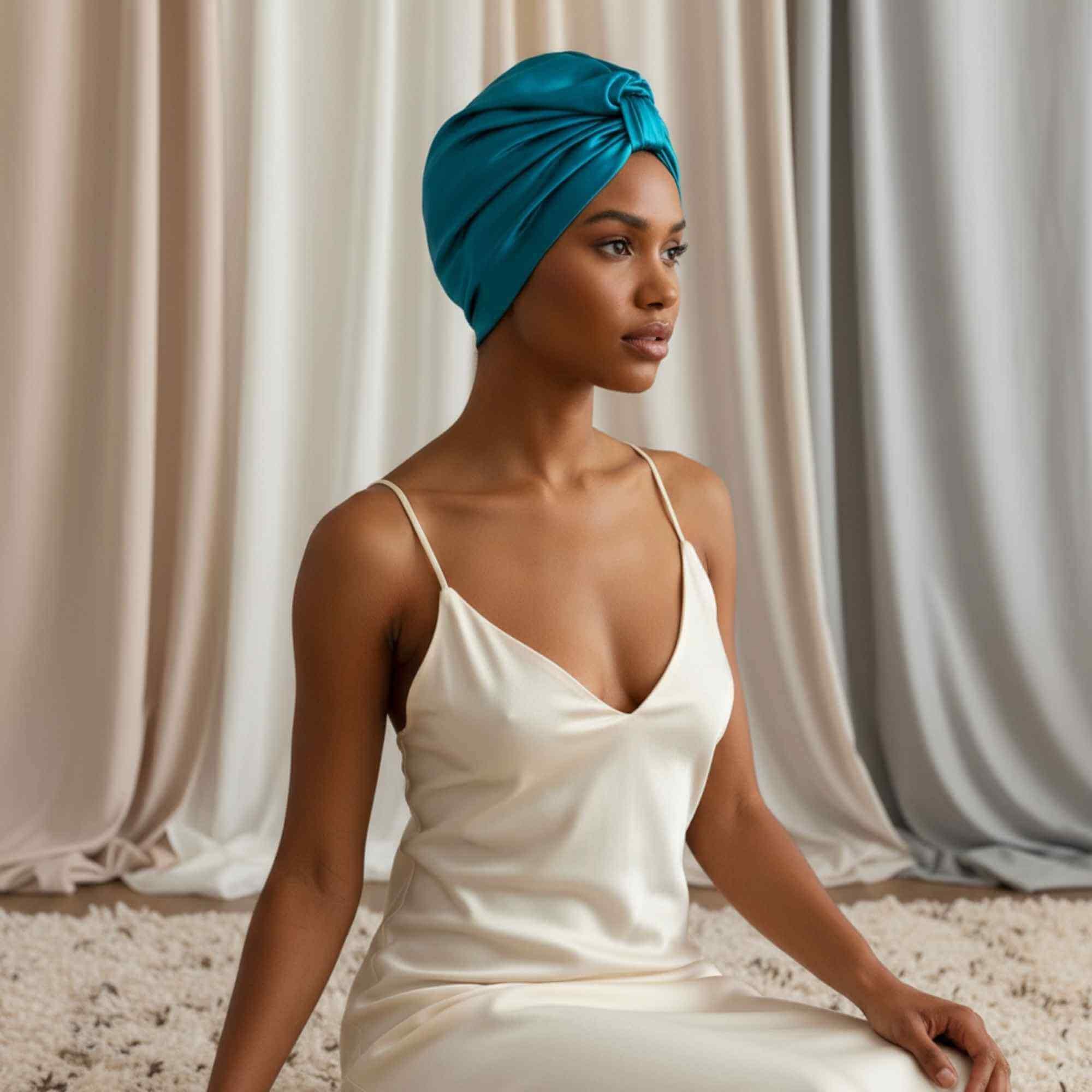
🛏️ 6. Overnight Frizz Protection (Bonus Must-Have)

4.5
Why they work:
Reducing friction while you sleep helps prevent frizz before it starts.
👉 Best for: Morning frizz prevention
💖 Final Thoughts
The best anti-frizz hair products all do one thing well:
👉 They hydrate, seal, and protect your hair from moisture.
You don’t need everything—start with:
- A leave-in conditioner
- A serum or oil
- A humidity shield (if needed)
Once you find your combination, frizz becomes much easier to manage.
Want personalized product recommendations for YOUR hair type? Book a consultation with Jonathon at The WannaBee Hair Studio — he’ll recommend exactly what your hair needs. Book Now
How to Get Rid of Frizzy Hair Naturally (Simple Step-by-Step Guide)
This post contains affiliate links. As an Amazon Associate I earn from qualifying purchases at no extra cost to you.
Frizzy hair can feel like a daily battle—especially when humidity hits or your hair just won’t cooperate. The good news? You don’t need complicated routines or tons of products to fix it.
If you’re looking for natural ways to get rid of frizzy hair, this step-by-step guide will help you smooth, hydrate, and manage your hair with simple changes that actually work.
💧 Step 1: Start with Proper Hydration
Dry hair is the #1 cause of frizz. When your hair lacks moisture, it absorbs humidity from the air—leading to that puffy, frizzy look.
What to do:
- Use a hydrating shampoo and conditioner
- Add a weekly deep conditioning treatment
- Rinse with cool water to help seal the cuticle
👉 If flyaways are also an issue, check out how to fix flyaway hair for targeted tips.
🧴 Step 2: Use Natural Oils to Smooth Hair
Natural oils are one of the best frizzy hair remedies because they lock in moisture and add shine.
Best oils for frizz:
How to use:
- Apply a few drops to damp or dry hair
- Focus on the ends and lightly smooth the surface
🚿 Step 3: Avoid Overwashing Your Hair
Washing your hair too often strips away natural oils, which can make frizz worse.
Better approach:
- Wash 2–3 times per week (depending on your hair type)
- Use dry shampoo between washes if needed
This helps maintain your hair’s natural moisture balance and reduces dry, frizzy hair.
🌬️ Step 4: Limit Heat Styling
Heat tools can damage the hair cuticle, making it more prone to frizz.
Try this instead:
- Air dry when possible
- Use heat tools on a lower setting
- Always apply a heat protectant
Reducing heat is one of the easiest natural frizz control tips.
🛏️ Step 5: Protect Your Hair While You Sleep
Friction from your pillowcase can cause breakage and frizz overnight.
Simple fixes:
- Switch to a silk or satin pillowcase
- Tie your hair in a loose braid or bun
👉 For more overnight tips, see how to protect your hair while you sleep.
🌿 Step 6: Try Natural Hair Masks
DIY hair masks can deeply nourish your hair without harsh ingredients.
Easy natural mask ideas:
- Coconut oil + honey
- Avocado + olive oil
- Yogurt + aloe vera
Use once a week for smoother, softer hair.
💖 Final Thoughts
Getting rid of frizzy hair naturally is all about moisture, protection, and gentle care. With a few small changes, you can transform dry, frizzy hair into smooth, manageable strands.
Start with one or two steps and build from there—your hair will thank you.
Struggling with frizzy hair and need professional help? Book an appointment with Jonathon at The WannaBee Hair Studio — where every client leaves with smooth, beautiful, healthy hair. Book Now
5 Easy Ways to Fix Flyaway Hair (Fast & Naturally)
This post contains affiliate links. As an Amazon Associate I earn from qualifying purchases at no extra cost to you.
Dealing with flyaway hair that just won’t stay put? Whether it’s caused by dryness, humidity, or static, those little strands can make even the best hairstyle look messy.
If you’ve been searching for how to fix flyaway hair quickly and easily, these simple tips will help you smooth things down without overcomplicating your routine.
💧 1. Hydrate Your Hair to Prevent Flyaways
Dry hair is one of the biggest causes of flyaways and frizz.
What to do:
- Use a lightweight leave-in conditioner
- Apply a small amount of hair oil or anti-frizz serum
- Focus on dry areas and lightly smooth the surface
Adding moisture is one of the most effective frizzy hair solutions.
🪥 2. Use a Toothbrush to Tame Flyaways Instantly
Looking for a quick fix? This is one of the best hair hacks for flyaways.
Steps:
- Spray a clean toothbrush with hairspray
- Gently brush down flyaways around your hairline or part
This technique helps control flyaway hair without flattening your style.
🧴 3. Apply a Small Amount of Lotion for Frizz Control
If you’re out and about, this easy trick works as a quick frizz control solution.
How to use it:
- Rub a tiny amount of hand lotion between your hands
- Lightly smooth over problem areas
It’s a simple way to tame frizzy hair on the go.
🌬️ 4. Use Cool Air to Reduce Static and Flyaways
Heat styling can lift the hair cuticle, leading to static hair and flyaways.
Try this:
- Finish styling with a cool blast from your blow dryer
- Smooth hair with your hands or a brush
This helps seal the cuticle and keep your hair smooth longer.
🛏️ 5. Sleep on a Silk Pillowcase to Reduce Frizz
Your nighttime routine matters more than you think.
Why it works:
- Reduces friction that causes hair breakage and flyaways
- Helps prevent frizzy hair in the morning
Switching to silk or satin is one of the easiest long-term smooth hair tips.
💖 Final Thoughts
Learning how to get rid of flyaway hair doesn’t have to be complicated. With a few small changes, you can reduce frizz, control static, and keep your hair looking smooth and polished every day.
Start with one or two of these tips and build from there—because the best flyaway hair solutions are the ones that fit easily into your routine.
Want professional help taming your flyaways? Book an appointment with Jonathon at The WannaBee Hair Studio — where every client leaves looking and feeling their best. Book Now