This post contains affiliate links. As an Amazon Associate I earn from qualifying purchases at no extra cost to you.
🎨 The One Thing That Changes Everything About Hair Color
Here’s a scenario I see all the time: someone brings me a photo of a gorgeous hair color — maybe it’s a caramel balayage or an icy platinum blonde — and they say, “I want this.” And I look at the photo, I look at them, and I already know: that exact color isn’t going to work.
Not because it’s a bad color. Not because they can’t pull off that level of lightness or darkness. But because the undertone is wrong for their skin.
This is the thing that most people don’t realize until they’ve already made the mistake: hair color isn’t just about the shade. It’s about whether that shade is warm or cool — and whether it matches your skin’s undertones.
Get it right, and your hair color makes you look healthier, more vibrant, more polished. Get it wrong, and even the most expensive color job can make you look washed out or sallow.
Let me walk you through how to figure out your undertones and choose hair color that actually works with your natural coloring instead of fighting against it.
💡 What “Warm” and “Cool” Actually Mean
Let’s start with the basics, because I think a lot of people hear these terms and don’t totally get what they mean.
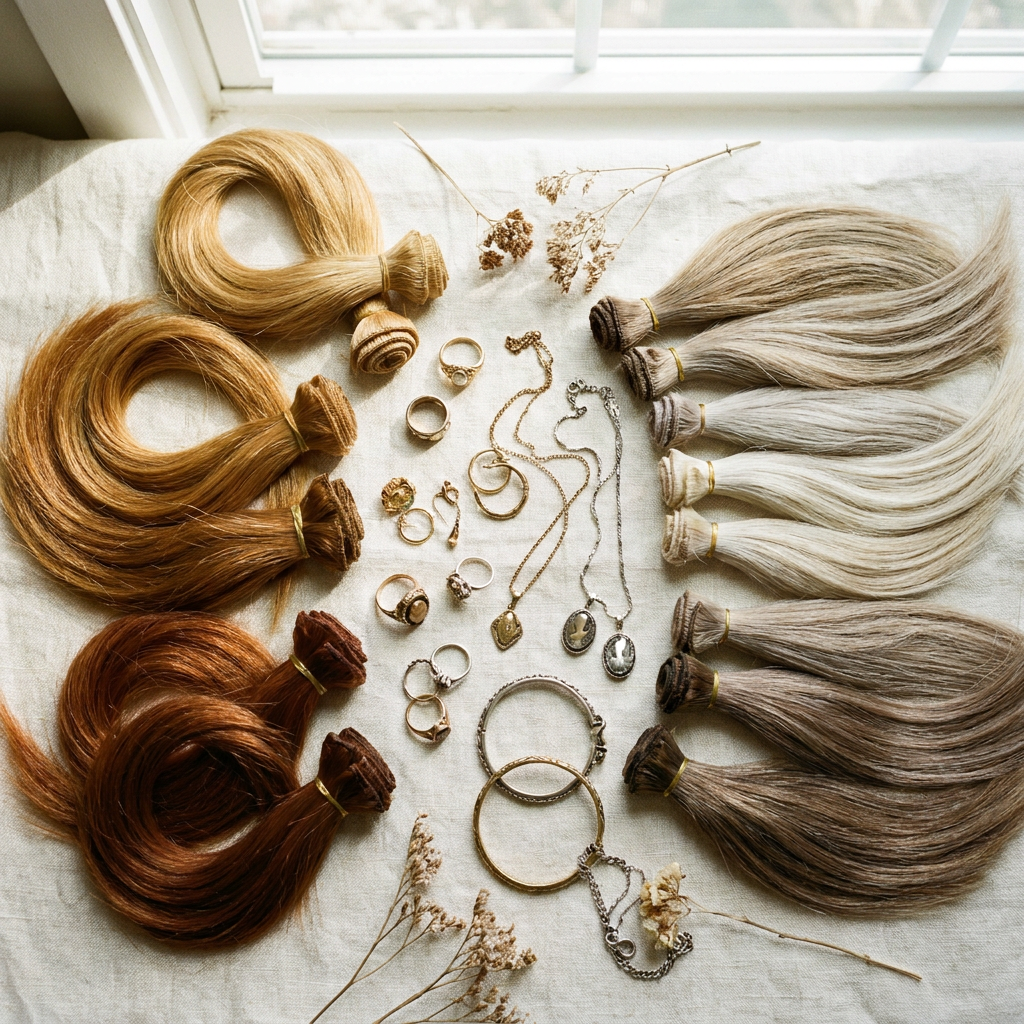
Warm undertones mean your skin has golden, peachy, or yellow undertones. If you tan easily, if gold jewelry looks amazing on you, if you look great in earth tones — you probably have warm undertones.
Cool undertones mean your skin has pink, red, or blue undertones. If you burn easily, if silver jewelry is more your thing, if you look incredible in jewel tones — you’re probably cool-toned.
And then there’s neutral, which means you’re somewhere in the middle. You can wear both gold and silver. You tan but you also burn. You’re lucky because you’ve got more flexibility, but you still need to pay attention to undertones when choosing hair color.
Here’s why this matters for hair color: if you have warm undertones and you go with a cool-toned hair color (like ash blonde or cool brown), it’s going to clash. Your skin will look sallow or tired. If you have cool undertones and you go warm (like golden blonde or auburn), you might look too ruddy or the color just won’t feel right.
The goal is harmony. You want your hair color to enhance your natural coloring, not fight it.
→ Related: Balayage vs. Highlights: What’s the Difference? (And Which One Is Right for You)
🔍 How to Figure Out If You’re Warm or Cool
Alright, so how do you actually figure out your undertones? Here are the tests I walk clients through:
The Jewelry Test
This is the easiest and most reliable test. Put on gold jewelry. Then put on silver jewelry. Which one makes your skin look more vibrant and healthy?
If gold makes you glow and silver looks harsh or washes you out → you’re warm-toned.
If silver looks amazing and gold feels too brassy or makes you look tired → you’re cool-toned.
If both look good → you’re probably neutral.
The Vein Test
Look at the veins on the inside of your wrist in natural light.
If they look greenish → you’re warm-toned.
If they look blue or purple → you’re cool-toned.
If you can’t tell or they look blue-green → you’re probably neutral.
The White T-Shirt Test
Stand in front of a mirror in natural light wearing a pure white shirt (not cream, not off-white — pure white).
If your skin looks yellowish or peachy next to the white → you’re warm-toned.
If your skin looks pink or rosy → you’re cool-toned.
If you look pretty balanced → you’re neutral.
The Tan Test
Do you tan easily or do you burn?
Tan easily → usually warm-toned.
Burn easily → usually cool-toned.
This one isn’t foolproof, but it’s a good supporting indicator.
🎨 Hair Color Strategy for Warm Undertones
If you’re warm-toned, here’s what’s going to look amazing on you:
Golden blonde. Think honey, butter, warm caramel. You want blonde that has richness and warmth to it, not icy or ashy tones.
Caramel balayage. Warm, sun-kissed highlights that blend into a golden or light brown base. This is a classic warm-toned look.
Auburn and copper. If you want to go red, warm reds like auburn, copper, and warm mahogany are going to be stunning. Cool-toned reds (like burgundy or violet-red) are going to clash.
Warm chocolate brown. Rich, warm brown with golden or caramel undertones. Avoid cool-toned browns with ash or blue undertones.
Avoid: Ash blonde, platinum, cool-toned browns, icy highlights. These are going to make your skin look sallow or tired. They’re beautiful colors, but they’re not your colors.
→ Related: What Does Hair Toner Actually Do? A Master Stylist Explains (Plus When You Need It)
❄️ Hair Color Strategy for Cool Undertones
If you’re cool-toned, here’s your roadmap:
Ash blonde. Cool, silvery blonde without warm or brassy tones. This is the quintessential cool-toned blonde.
Platinum. Icy, bright platinum looks incredible on cool-toned skin. If you’re warm-toned and try this, it’s going to wash you out. But on cool skin? Stunning.
Cool brown. Ash brown, cool chocolate, espresso — anything with cool or neutral undertones. Avoid warm browns with red or golden tones.
Cool-toned red. If you want to go red, think burgundy, wine, violet-red, or cool mahogany. Warm reds like copper or auburn are going to clash.
Icy highlights. Cool-toned highlights and lowlights that add dimension without warmth. Think silver, ash, cool beige.
Avoid: Golden blonde, caramel, warm browns, copper, auburn. These are going to make your skin look too ruddy or just feel “off.”
📌 What If You’re Neutral?
If you’re neutral, congratulations — you’ve got the most flexibility. You can go warm or cool depending on the look you want. But here’s the thing: you still need to be intentional.
Just because you can wear both doesn’t mean you should mix them. Pick a direction — warm or cool — and commit to it for that color. Don’t try to do warm highlights on a cool base. Don’t mix ash toner with golden tones. Choose one lane and stay in it.
And honestly? Even if you’re neutral, you probably lean slightly one way or the other. Pay attention to which tones make you feel most like yourself, and let that guide you.
→ Related: Is Salon Hair Color Really Better Than Box Dye? A Master Stylist Breaks It Down
⚠️ The Undertone Mistakes I See All the Time
Here’s where people get it wrong:
Choosing hair color based on trends instead of undertones. Ash blonde might be trending, but if you’re warm-toned, it’s going to make you look tired. Golden balayage might be everywhere on Instagram, but if you’re cool-toned, it’s not your best look. Trends are fun, but your undertones are forever.
Ignoring the toner. This is huge. You can bleach your hair to the perfect level of lightness, but if you use the wrong toner, the whole thing falls apart. Warm-toned clients need warm or neutral toners. Cool-toned clients need cool, ashy toners. Toner is where undertones really come into play.
Mixing warm and cool. I see this a lot with DIY color or when people go to different stylists over time. You end up with warm roots, cool mids, and brassy ends, and nothing looks cohesive. Pick a direction and stick with it.
Thinking skin tone and undertones are the same thing. You can have fair skin with warm undertones. You can have deep skin with cool undertones. Skin tone is how light or dark you are. Undertones are the colors beneath the surface. They’re related, but they’re not the same.
🔄 Can Your Undertones Change?
Short answer: no.
Your undertones are determined by your genetics, and they don’t change. You’re born with them. So if you’re warm-toned, you’re always going to be warm-toned.
What can change is your skin tone — you might tan in the summer and be lighter in the winter — but your undertones stay the same.
That said, you can absolutely change your hair color to shift how your undertones are expressed. If you’re cool-toned and you dye your hair a warm auburn, your overall look is going to feel warmer. But your skin’s undertones haven’t actually changed. You’ve just created contrast.
This is why it’s so important to know your undertones before you choose a hair color. You’re working with your natural coloring, not against it.
🎯 Ready to Get Your Hair Color Right?
Understanding your undertones is one of the smartest things you can do before choosing a hair color. It takes the guesswork out of the process. It’s why some colors look incredible on your friend but fall flat on you. It’s why that Pinterest inspo doesn’t always translate.
And here’s the thing — getting this right is what separates “pretty good hair color” from “I can’t stop looking at myself in the mirror” hair color.
If you’re ready to figure out your undertones and design a hair color that works with your natural coloring, I’d love to help. We’ll look at your skin, talk through your goals, and create something that makes you look like the most vibrant version of yourself.
Book a consultation with me and let’s find your perfect shade.